
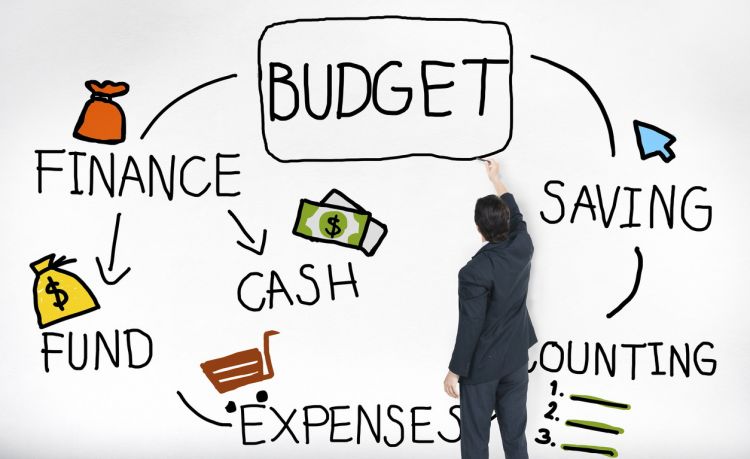
Taking charge of your finances and reaching your financial objectives begin with creating a budget. It makes it easier for you to keep track of your earnings and expenditure and offers a clear path for allocating your resources as effectively as possible. You can follow these steps to make a budget and keep to it:
- What are your earnings? Calculate your total monthly income, including your pay, bonuses, and any additional sources of revenue.
- List all of your fixed costs: Rent or mortgage payments, auto payments, and insurance premiums are examples of monthly expenses that never change.
- List your varying costs: These include costs like groceries, entertainment, and gas that can change from month to month.
- Total your spending: Add up all of your monthly expenses, both fixed and variable.
- Compare your earnings and costs: Calculate your entire monthly income by deducting your total monthly expenses. You have a surplus if you have money left over, and you can utilize that money to save or invest. If you have a deficit, you must find a strategy to reduce spending or boost income.
- Plan ahead: Making a plan to reach your financial objectives can begin once you have a clear picture of your income and expenses. This can entail saving money, paying off debt, or making investments in your future.
- Track your progress to make sure you are staying within your budget by keeping an eye on your spending and progress. Using a budgeting program to keep tabs on your expenditures or simply saving receipts can do this.
You may take charge of your finances and work toward attaining your financial objectives by making and sticking to a budget. Although budgeting could take some getting accustomed to, with experience it can become a crucial element of your money management routine.
 Financial Tenacity
Leave a comment